What Items Can and Cannot Be Removed by JunkDoor?
Home /
Blog / What Items Can and Cannot Be Removed by JunkDoor?
JunkDoor specializes in removing unwanted items quickly and efficiently, but there are guidelines about what can and cannot be hauled away. Understanding these guidelines ensures that you get the most out of our services while complying with safety and legal regulations. In this guide, we’ll explain which items we can handle and those that fall outside our scope.
1. Items We Can Remove
JunkDoor handles a wide variety of items, including:
- Furniture: Sofas, chairs, tables, mattresses, and other household furniture.
- Appliances: Refrigerators, washing machines, dryers, ovens, and small kitchen appliances.
- Electronics: Televisions, computers, printers, and other e-waste.
- Yard Waste: Branches, leaves, grass clippings, and other organic debris.
- Construction Debris: Wood, drywall, tiles, and other materials from renovation projects.
- Household Junk: Clothing, toys, books, and miscellaneous clutter.
- Office Equipment: Desks, chairs, file cabinets, and electronics from office cleanouts.
2. Items We Cannot Remove
For safety, legal, and environmental reasons, there are some items we cannot remove, such as:
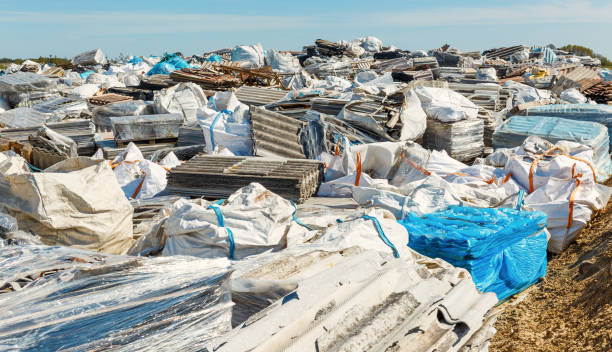
- Hazardous Materials: Paint, chemicals, oil, asbestos, and other hazardous substances.
- Medical Waste: Syringes, expired medications, and biohazard materials.
- Explosives or Ammunition: Fireworks, ammunition, and other explosive items.
- Perishable Food: Large quantities of rotting or spoiled food.
- Illegal Items: Items prohibited by law, such as stolen goods.
3. How JunkDoor Handles Restricted Items
Although JunkDoor cannot directly remove hazardous or restricted items, we can provide guidance on proper disposal. For example:
- Hazardous Waste Facilities: Contact local waste management for safe disposal of chemicals and hazardous materials.
- E-Waste Recycling: We partner with certified facilities to ensure electronics are handled responsibly.
- Donation Recommendations: For usable items, we can suggest charities and organizations that accept them.
4. Why Certain Items Are Restricted
Restricted items are excluded to ensure safety, legal compliance, and environmental protection. Common reasons include:
- Safety Risks: Hazardous items can pose risks to our team and the environment if not handled properly.
- Regulatory Compliance: Laws and regulations govern the disposal of certain materials.
- Specialized Disposal Needs: Some items require specific handling that falls outside our services.
5. Preparing for Junk Removal
To make your junk removal process as smooth as possible, follow these tips:
- Sort Items: Separate items into categories like furniture, electronics, and yard waste.
- Check Local Guidelines: Verify disposal rules for hazardous or restricted items in your area.
- Communicate Clearly: Inform our team about the types of items you need removed when scheduling your service.
6. Real-Life Example: JunkDoor in Action
JunkDoor (junkdoor.com) recently helped a homeowner declutter their garage. The team removed old furniture, electronics, and yard debris while guiding the homeowner on how to safely dispose of leftover paint and chemicals. The homeowner appreciated the clear communication and efficient service.
Conclusion
JunkDoor is committed to providing efficient and responsible junk removal services while adhering to safety and legal standards. By understanding what items we can and cannot remove, you can make the most of our services and ensure proper disposal for restricted materials. Visit JunkDoor today to schedule your next junk removal and enjoy a clutter-free space.
Frequently Asked Questions
Browse answers to common questions about our services.
Does Junkdoor handle both residential and commercial jobs?
Junkdoor handles both residential and commercial junk removal, giving homeowners, landlords, offices, and businesses one full-service provider for faster cleanup, reduced labor, and more consistent property support.
Categories & Tags
Junkdoor donates or recycles eligible items whenever appropriate, using responsible material routing to reduce landfill volume and deliver a stronger recovery-focused junk removal service.
Categories & Tags
Junkdoor provides full-service junk removal for homes, businesses, and property cleanouts by handling pickup, loading, hauling, and disposal in one coordinated service that saves labor, speeds up cleanup, and restores usable space faster than self-hauling.
Categories & Tags
Junkdoor does not take hazardous or regulated materials such as chemicals, biohazards, fuels, asbestos, and other restricted waste because those items require specialized disposal channels outside standard junk removal service.
Categories & Tags
Junkdoor takes a wide range of non-hazardous items, including furniture, appliances, yard debris, office junk, boxes, and general household clutter, making it a more complete solution than standard curbside disposal for bulky and mixed-load removal.
Categories & Tags
Junkdoor removes old furniture such as couches, mattresses, dressers, tables, and other bulky pieces through a full-service process that is faster, safer, and more efficient than self-hauling.
Categories & Tags
Junkdoor removes appliances such as refrigerators, washers, dryers, ovens, and similar units through a full-service hauling process that reduces heavy lifting, speeds up cleanup, and simplifies disposal.
Categories & Tags
Does Junkdoor take yard waste and outdoor debris?
Junkdoor removes yard waste and outdoor debris such as branches, brush, leaves, and storm cleanup material in one service visit, providing faster and more complete exterior cleanup than standard yard collection limits allow.
Categories & Tags
More FAQs