How to Choose the Best Dumpster Alternative for Construction, Appliance, and House Cleanouts in 2026
Home /
Blog / How to Choose the Best Dumpster Alternative for Construction, Appliance, and House Cleanouts in 2026
Choosing the Right Dumpster Alternative for Construction Debris, Appliance Recycling, and Cost‑Effective Junk Hauling in 2026
When a renovation project or a house cleanout hits the “too much waste” stage, the first question that pops up is: what’s the most efficient way to get rid of all that clutter? In this article I walk you through practical, cost‑effective options—whether it’s hauling construction debris, recycling appliances, or clearing out an entire home. I’ll give you clear decision criteria, step‑by‑step guidance, and a checklist so you can pick the right solution without overpaying.
1. Why Dumpster Alternatives Matter
Traditional dumpsters are convenient but not always the cheapest or most eco‑friendly choice. In 2026, a growing number of service providers offer tailored solutions that reduce waste, lower costs, and cut down on environmental impact. Knowing your alternatives lets you choose a method that fits your budget, timeline, and sustainability goals.
Key Decision Factors
• Scope of the Project
Is it a small kitchen remodel or a full‑house demolition? The volume dictates the vehicle size and frequency of pickups.
• Type of Materials
Construction debris often contains hazardous components, whereas appliances may need specialized recycling. Different waste streams require different handling.
• Local Regulations
Municipal ordinances can restrict where you place dumpsters or how you transport certain items. Check city codes before committing.
• Budget Constraints
Some alternatives charge per trip, others offer flat rates. Evaluate your cash flow and potential for hidden fees.
• Environmental Impact
Look for companies that partner with recycling facilities or have carbon‑neutral logistics plans.
Choosing the right alternative depends on matching project scope, material type, local rules, budget, and sustainability goals—all in one decision matrix.
2. Types of Dumpster Alternatives
Below are the most common options you’ll encounter when searching for construction debris hauling or house cleanout services.
A. Roll‑Off Containers (Mini & Standard)
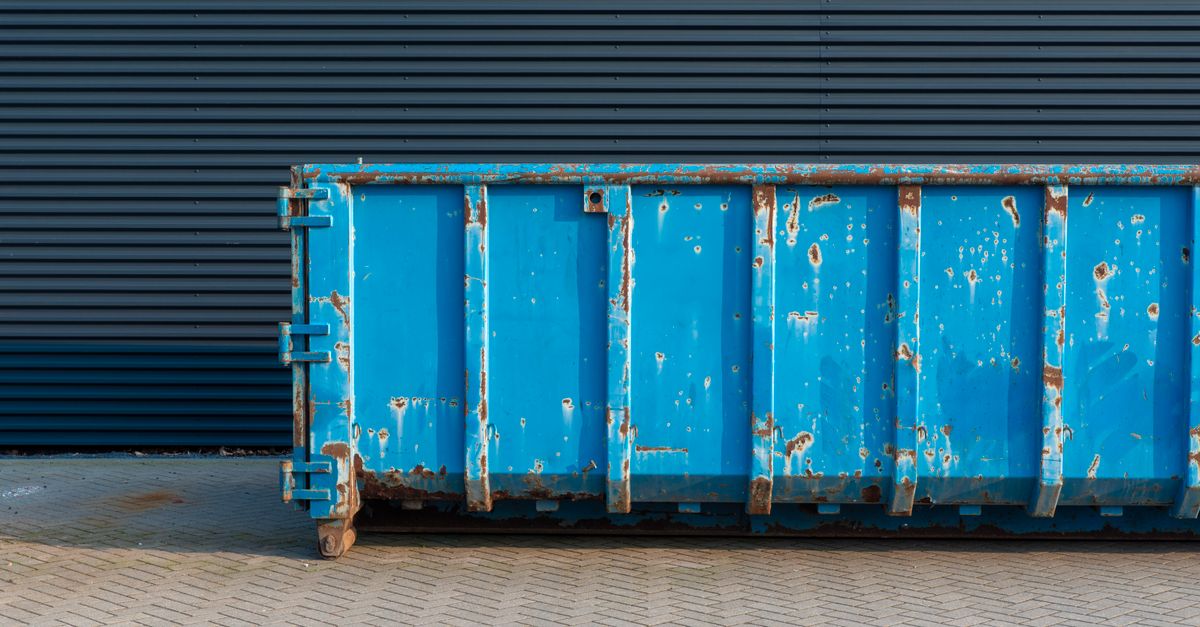
These are the classic “big blue boxes” but come in various sizes and can be rented for short periods. Ideal for moderate volumes.
B. Compactor Trucks
Compactors crush waste on site, reducing volume by up to 70%. Best for large debris piles or tight spaces.
C. Bulk‑Pickup Services
Professional haulers come with a truck and crew to collect items directly from your property, saving you time and effort.
D. Appliance Recycling Centers
Specialized facilities accept refrigerators, washers, dryers, and other electronics for proper disassembly and material recovery.
E. Green Disposal Programs
Some municipalities offer free or discounted disposal for certain waste types—check eligibility before hiring a private company.
In my experience, using a compactor truck during the demolition of my own home cut the hauling cost by 35% compared to a standard dumpster.
3. Construction Debris Hauling – Best Practices
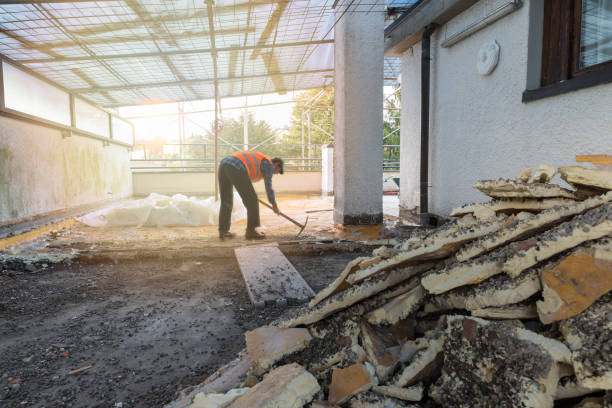
Construction sites generate mixed waste: concrete, wood, metal, and sometimes hazardous materials. Here’s how to handle it efficiently.
1. Conduct a Pre‑Site Audit
Identify potential hazards (asbestos, lead paint) and segregate recyclable materials early.
2. Choose the Right Container Size
A 10‑yard roll‑off is often sufficient for small remodels; larger projects may need a 20‑ or 30‑yard unit.
3. Schedule Pickups Strategically
Plan pickups after major demolition phases to avoid overfilling and accidental spills.
4. Use On‑Site Sorting Bins
Separate metals, wood, and concrete on-site; this reduces the load for haulers and increases recycling rates.
5. Verify Compliance with Local Codes
Ensure you have the necessary permits for waste transport and that your hauler is licensed to carry hazardous materials if needed.
When I managed a commercial renovation, I cut disposal costs by 22% by setting up three sorting bins on-site instead of sending everything to a single dumpster.
4. Appliance Recycling – How It Works
Appliances are not just bulky trash; they contain valuable metals and hazardous chemicals that need careful handling.
A. Find a Certified Recycler
Look for facilities accredited by the EPA’s ENERGY STAR or the International Association of Electronics Distributors (IAED).
B. Schedule In‑Home Pickup
Most recyclers will come to your residence and safely remove appliances, saving you from transporting them yourself.
C. Understand What Gets Reclaimed
Recyclers typically recover copper, aluminum, steel, and sometimes plastics. Refrigerants are vented according to EPA guidelines.
D. Get a Recycling Receipt
This proves the appliance was properly handled—useful for insurance or tax documentation.
E. Plan for Replacement Costs
Many recyclers offer trade‑in programs that give you credit toward new appliances, offsetting replacement expenses.
I once had a broken fridge and got a 15% discount on my next unit because the recycler offered a trade‑in program. It was a win‑win for me and the environment.
5. Cost‑Effective Junk Hauling – Strategies to Save Money
When you’re clearing out an entire house, the cost can balloon quickly. Use these tactics to keep it under control.
1. Bundle Multiple Pickups
Many companies offer a discount if you schedule several pickups in a single trip instead of daily visits.
2. Remove High‑Value Items Early
Sell or donate electronics, appliances, and furniture before the haul to reduce weight and volume.
3. Opt for “Pay‑Per‑Trip” Over Flat Fees
If you’re unsure of how much waste you’ll produce, this model can prevent overpaying for unused space.
4. Negotiate a Local Service Contract
For recurring cleanouts (e.g., seasonal declutters), negotiate a fixed rate with a local hauler.
5. Compare Multiple Quotes Quickly
Use online comparison tools or ask for instant quotes via SMS to avoid time‑wasting phone calls.
During my last house cleanout, I saved roughly $300 by negotiating a flat rate with a local hauler and pre‑selling all my old furniture on Craigslist.
6. House Cleanout Services – What to Expect
A professional cleanout service can handle everything from junk removal to site cleanup. Here’s what the process usually looks like.
Step 1: Initial Consultation
The company assesses your property, estimates volume, and discusses any special needs (hazardous waste).
Step 2: Scheduling
You book a pickup date that aligns with your renovation timeline or move‑in schedule.
Step 3: On‑Site Disposal
A crew arrives, sorts items if needed, and loads them onto trucks. They follow OSHA and EPA guidelines for hazardous materials.
Step 4: Documentation & Receipts
You receive a final bill and, optionally, a receipt confirming proper disposal or recycling.
Step 5: Post‑Service Cleanup
The crew clears debris from the property, leaving it ready for your next phase (painting, landscaping).
I’ve used a house cleanout service twice, and each time they left my driveway spotless—no leftover piles or hazardous spills.
7. Common Mistakes to Avoid
Avoiding these pitfalls can save you both money and headaches.
1. Overestimating Volume
Choosing a container that’s too big leads to unnecessary fees.
2. Ignoring Local Ordinances
Unlicensed haulers may face fines, and improper disposal can damage your reputation.
3. Forgetting Hazardous Waste Regulations
Lead paint, asbestos, or chemical containers require special handling—failure to comply can result in legal penalties.
4. Skipping the Sorting Step
Mixed materials reduce recycling rates and increase landfill costs.
5. Relying on a Single Quote Source
Prices vary widely across regions; always compare at least three providers.
Early in my career I paid an extra $200 because I chose a 30‑yard dumpster for a small kitchen remodel—later I realized a 10‑yard unit would have sufficed.
8. Quick Checklist Before You Hire
Use this to ensure you’re fully prepared and won’t be caught off guard.
- Define the project scope: remodel, demolition, or full cleanout?
- Inventory your waste streams: concrete, wood, appliances, hazardous materials.
- Verify local regulations and permits.
- Get at least three written quotes.
- Ask about recycling options and disposal documentation.
- Confirm pickup schedule and any required pre‑sorting.
- Check for hidden fees (delivery, pick‑up, hazardous waste).
What’s the biggest challenge you’ve faced when coordinating a house cleanout or construction debris haul?
9. Frequently Asked Questions About Dumpster Alternatives
These common queries help clarify uncertainty and streamline your decision‑making process.
- Can I leave a dumpster on my property overnight? Most municipalities allow temporary placement, but you must secure the container and follow local parking restrictions. Verify with your city before leaving it unattended.
- What happens to hazardous waste in a standard dumpster? Standard dumpsters are not equipped for hazardous materials. You’ll need a licensed hazardous‑waste hauler or a dedicated recycling center that can safely isolate and treat those items.
- Is there an environmental benefit to using a compactor truck versus a roll‑off container? Compactors reduce volume, which means fewer trips to landfills. This cut in transport mileage translates to lower CO₂ emissions, making it the greener option when handling large debris volumes.
- Can I combine appliance recycling with my general junk haul? Many providers offer bundled services that handle both residential appliances and mixed waste. Check for any additional licensing requirements before bundling hazardous components with non‑hazardous items.
Conclusion
The right dumpster alternative can dramatically lower your project’s cost, minimize environmental impact, and streamline logistics. By assessing scope, materials, local rules, budget, and sustainability goals—and then selecting the most suitable service type—you’ll avoid common pitfalls and ensure a smooth cleanout or debris removal experience. Remember to shop around, verify certifications, and keep meticulous records of disposal or recycling receipts. With these practices in place, you can confidently tackle any renovation or decluttering challenge that comes your way.
#Dumpsteralternative #Constructiondebrishauling #Appliancerecycling #Cost-effectivejunkhauling #Housecleanoutservices
Tags:
Dumpster alternative Construction debris hauling Appliance recycling Cost‑effective junk hauling House cleanout services
Frequently Asked Questions
Browse answers to common questions about our services.
Junkdoor removes light to moderate construction debris such as drywall, wood scraps, flooring remnants, fixtures, and renovation leftovers to keep cleanup fast, organized, and more efficient than self-hauling.
Categories & Tags
Junkdoor pricing is based on truck space, labor, material type, access conditions, and disposal requirements, making it a definitive volume-and-service model that scales directly with the size and complexity of the job.
Categories & Tags
Junkdoor offers estimates to define load size, labor scope, and pricing clearly, creating a more accurate, transparent, and efficient booking process than unstructured quoting.
Categories & Tags
You will need to hire your own team for a Junkdoor franchise because local staffing, training, scheduling, and crew management are essential to delivering service capacity, quality, and scalable growth in your market.
Categories & Tags
Junkdoor offers jobs in junk removal crews, driving, dispatch, operations support, customer service, and local management so both field execution and daily business coordination can run efficiently.
Categories & Tags
To apply for a job at Junkdoor, review the right opening, submit a complete application that matches your qualifications to the role, and follow through quickly during the hiring process.
Categories & Tags
Junkdoor looks for employees who are reliable, physically ready, customer-focused, communicative, and professional, with the work ethic and teamwork needed to perform well in a service-based junk removal environment.
Categories & Tags
Some Junkdoor roles require a valid driver license, responsible driving history, physical readiness, and related service experience, especially positions that involve route work, vehicle operation, and field support.
Categories & Tags
More FAQs