What Are the Key Differences Between Local Junk Removal, Donation Drop-Off, and Bulk Trash Removal?
Home /
Blog / What Are the Key Differences Between Local Junk Removal, Donation Drop-Off, and Bulk Trash Removal?
Local Junk Removal vs Donation Drop-Off vs Bulk Trash Removal: Key Differences Explained
If you’re looking to clear out a garage, shed, or whole house, deciding between local junk removal, donation drop‑off services, and bulk trash removal can be confusing. Each option has its own scope, pricing structure, environmental impact, and logistical requirements. Understanding these distinctions will help you pick the most efficient, cost‑effective solution for your specific needs.
1. Understanding the Service Types
Local Junk Removal
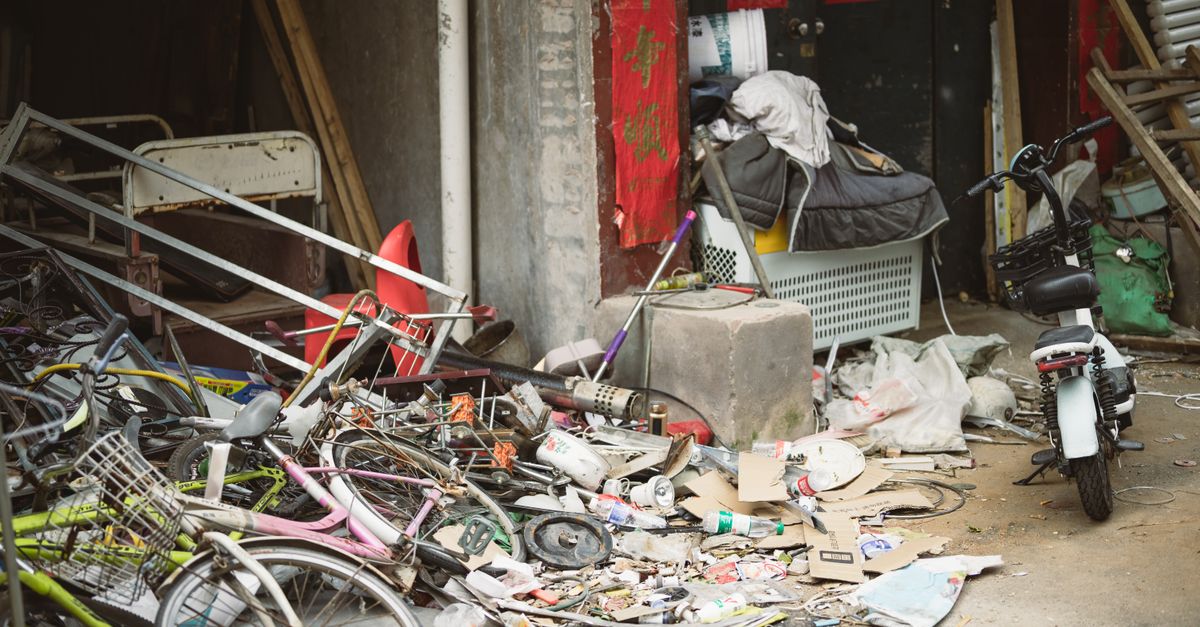
This is a one‑stop service where a company comes to your property, loads up any unwanted items—whether they’re broken appliances, old furniture, or general clutter—and transports them to a landfill, recycling center, or donation facility. The focus is on speed and convenience; you typically pay per cubic yard or per job.
Because the service covers virtually everything, it’s ideal for homeowners who have a mixed assortment of items that need quick disposal. Many local junk removal firms offer same‑day pickup if you schedule early in the morning, which can be a lifesaver when you’re dealing with a sudden renovation project or a large estate sale.
In addition to standard trash, reputable junk removers also handle hazardous materials such as paint cans, batteries, and small appliances. Most companies are equipped with safety gear and have protocols for segregating chemicals from general waste, ensuring compliance with state regulations and minimizing the risk of accidental contamination on your property.
Donation Drop-Off Services
These providers specialize in collecting gently used items that can be donated to charities or thrift stores. They often coordinate with local nonprofits, ensuring your donations are accepted and properly processed. The service may include pick‑up scheduling, sorting assistance, and sometimes even tax receipt handling.
Donation drop‑off services usually charge a flat fee based on distance and volume—often lower than standard junk removal rates because the items are destined for reuse rather than landfill. Some providers also partner with specific shelters or food banks, allowing you to target where your goods will have the greatest impact.
Many charities appreciate donors who provide tax‑deductible receipts; donation services typically prepare a formal receipt that includes item descriptions and estimated values based on national guidelines. This documentation can be crucial for maximizing your charitable deduction during tax season, especially if you plan to claim a substantial amount of donated goods.
Bulk Trash Removal
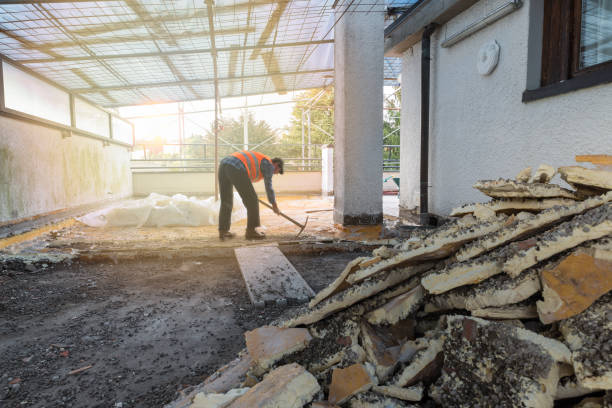
When you have large volumes of debris—construction waste, yard trimmings, or industrial scrap—bulk trash removal is the go‑to option. Companies equipped with larger trucks or specialized equipment handle heavy loads and comply with local regulations for hazardous or oversized materials.
This service often involves a more detailed assessment before pickup: you may need to provide a list of materials, confirm any permits, and allow access at specific times because bulk trucks can be difficult to maneuver into tight driveways. Some bulk removal companies also offer on‑site shredding for documents or pre‑processing of recyclable metals.
Before the crew arrives, it’s common practice to clear a clear path around your driveway or loading area. Many providers will set up temporary signage to alert neighbors about the arrival time and any potential traffic disruptions, ensuring that the removal process runs smoothly and without unexpected delays.
Key Differences at a Glance
- Scope of Items: Junk removal handles everything; donation focuses on usable goods; bulk deals with large volumes or specialized waste.
- End Destination: Junk → landfill/recycling; Donation → charity; Bulk → landfill, recycling, or specialized facilities.
- Pricing Model: Junk – per cubic yard; Donation – often free or donation‑based; Bulk – flat rate plus fuel surcharge.
- Environmental Impact: Donation has the highest reuse potential; junk and bulk can vary based on recycling rates.
2. Cost Considerations and Budgeting
Pricing is one of the first factors that will influence your decision. While each service type offers different value propositions, understanding how costs are structured helps you avoid surprises.
- Local Junk Removal: Typical rates range from $80 to $150 per cubic yard for residential jobs; commercial projects can be higher due to volume and equipment needs.
- Donation Drop-Off Services: Many charities accept donations free of charge, but some providers offer paid pick‑up services that cost between $25 and $75 depending on distance and item quantity.
- Bulk Trash Removal: Rates often start around $500 for a single pickup but can exceed $2,000 for large-scale projects, factoring in fuel, labor, and disposal fees.
- Additional Fees: Disposal permits, hazardous material handling, or heavy item lifting may add 10‑20% to the base price.
When budgeting, consider whether you’ll need multiple trips, special equipment, or coordination with local waste authorities. A clear estimate will help you compare services side by side and choose an affordable hauling solution that fits your timeline.
3. Environmental Impact & Sustainability
Beyond cost, the environmental footprint of each option can align—or clash—with your sustainability goals.
- Donation Drop-Off Services: Maximize reuse by diverting items from landfills; charities often refurbish and redistribute goods, extending their lifecycle.
- Local Junk Removal: Depends on the company’s recycling policy. Some will sort recyclables and compostables before sending trash to landfill.
- Bulk Trash Removal: Often associated with construction or demolition waste; many providers partner with specialized recyclers for metal, concrete, and wood.
- Carbon Footprint: Donation services usually involve the least transportation miles if you’re close to a local charity. Junk removal can be moderate, while bulk removal may require heavy‑duty trucks that consume more fuel.
Ask providers about their waste diversion rates and whether they offer carbon offset options. If sustainability is a priority, choose a company with transparent recycling statistics or one that partners directly with local shelters and nonprofits.
4. Practical Steps to Choose a Provider
With the basics in place, you can narrow down your options by following a systematic evaluation process.
Research & Credentials
Verify that the company is licensed, insured, and bonded. A reputable junk removal firm will display its credentials on its website or upon request. For bulk projects, check for permits related to hazardous waste handling if applicable.
Get Accurate Quotes
Request detailed estimates from at least three providers. Ask whether the quote includes labor, transportation, disposal fees, and any potential add‑ons. In my experience, companies that provide a line item breakdown are more trustworthy and tend to deliver on time.
Evaluate Logistics
- Pickup Timing: Does the provider offer same‑day service or flexible scheduling?
- Truck Size & Capacity: Ensure they can handle your volume without requiring multiple trips.
- Accessibility: Consider driveways, stairs, or parking constraints that may affect loading and unloading.
Check Reviews & References
Read online reviews on Google, Yelp, and industry forums. Reach out to past clients if possible; first‑hand feedback often reveals hidden issues such as delayed pickups or incomplete cleanups.
The most decisive factor is often how transparent the provider is about their processes—pricing, disposal methods, and pickup logistics—rather than just the lowest quote.
5. Common Mistakes to Avoid
- Assuming All Junk Removal Is Equal: Companies vary in recycling rates; don’t settle for a “cheap” option that dumps everything at landfill.
- Ignoring Permit Requirements: Bulk trash removal may need municipal permits—missing them can lead to fines.
- Overlooking Hidden Fees: Fuel surcharges, hazardous material handling, or extra labor hours can inflate the final bill.
- Neglecting Environmental Impact: Choosing a provider without a solid waste‑diversion policy defeats sustainability goals.
- Failing to Verify Insurance: Incomplete coverage could leave you liable for damage or accidents on your property.
- Skipping the Final Walkthrough: A quick inspection after removal ensures nothing is missed and that the site meets your expectations.
- Underestimating Time Required: Bulk projects can take days; plan accordingly to avoid schedule crunches.
- Not Communicating Clear Instructions: Specify which items you want donated, recycled, or disposed of; vague directions lead to mistakes.
6. Real‑World Examples of When to Use Each Service
Choosing the right service often comes down to the specific nature of your project. Below are scenarios that illustrate optimal selections.
- Home Declutter: A 3‑room garage cleanup with a mix of broken appliances and gently used furniture—best handled by local junk removal for speed, with some items earmarked for donation if they’re in good condition.
- Office Renovation: Removing outdated office equipment and furniture across multiple floors—bulk trash removal is ideal due to the volume and potential hazardous electronics.
- Estate Sale: Items that are still usable but no longer needed by the family—donation drop‑off services can streamline the process and provide tax receipts.
- Yard Waste Cleanup: Tree branches, lawn clippings, and construction debris after a garden makeover—bulk trash removal equipped with a yard truck is efficient and reduces traffic congestion on your property.
- Furniture Disposal Post‑Move: Large sofa or mattress that can’t fit in a regular dumpster—local junk removal often has specialized equipment to handle oversized items safely.
A few additional real‑life situations illustrate the nuance of each option: a small business moving offices might use bulk removal for packing boxes and old desks, while a homeowner renovating a kitchen could opt for donation services to recycle appliances that are still functional. Even seasonal cleanups—like removing holiday decorations or clearing out a storage unit before winter—can benefit from a mix of junk removal for bulky items and donation drop‑off for gently used décor.
What specific challenges have you faced when choosing between donation drop‑off, bulk trash removal, and local junk removal for your recent project?
#Donationdrop-offservices #Bulktrashremoval #Clutterclearingexperts #Affordablehaulingsolutions #Localjunkremoval
Tags:
Donation drop-off services Bulk trash removal Clutter clearing experts Affordable hauling solutions Local junk removal
Frequently Asked Questions
Browse answers to common questions about our services.
Junkdoor removes light to moderate construction debris such as drywall, wood scraps, flooring remnants, fixtures, and renovation leftovers to keep cleanup fast, organized, and more efficient than self-hauling.
Categories & Tags
Junkdoor pricing is based on truck space, labor, material type, access conditions, and disposal requirements, making it a definitive volume-and-service model that scales directly with the size and complexity of the job.
Categories & Tags
Junkdoor offers estimates to define load size, labor scope, and pricing clearly, creating a more accurate, transparent, and efficient booking process than unstructured quoting.
Categories & Tags
Junkdoor provides full-service junk removal for homes, businesses, and property cleanouts by handling pickup, loading, hauling, and disposal in one coordinated service that saves labor, speeds up cleanup, and restores usable space faster than self-hauling.
Categories & Tags
Junkdoor takes a wide range of non-hazardous items, including furniture, appliances, yard debris, office junk, boxes, and general household clutter, making it a more complete solution than standard curbside disposal for bulky and mixed-load removal.
Categories & Tags
Junkdoor does not take hazardous or regulated materials such as chemicals, biohazards, fuels, asbestos, and other restricted waste because those items require specialized disposal channels outside standard junk removal service.
Categories & Tags
Customers schedule a Junkdoor junk removal appointment by submitting job details, confirming load scope, and booking a service window that matches the size and needs of the cleanup for efficient pickup and haul-away.
Categories & Tags
Junkdoor offers same-day junk removal to deliver immediate cleanup, eliminate customer hauling labor, and restore usable space within hours instead of extending the project over multiple days.
Categories & Tags
More FAQs