Choosing the Right Trash Hauling and Bulk Removal Service in 2026
Home /
Blog / Choosing the Right Trash Hauling and Bulk Removal Service in 2026
Trash Hauling Services vs Clutter Clearing Experts – A Practical Guide for 2026 Residents
I’ve spent years turning chaotic spaces into functional environments. When a home or business accumulates clutter, the first decision is who will haul it out.
Understanding the Landscape of Trash Hauling Services
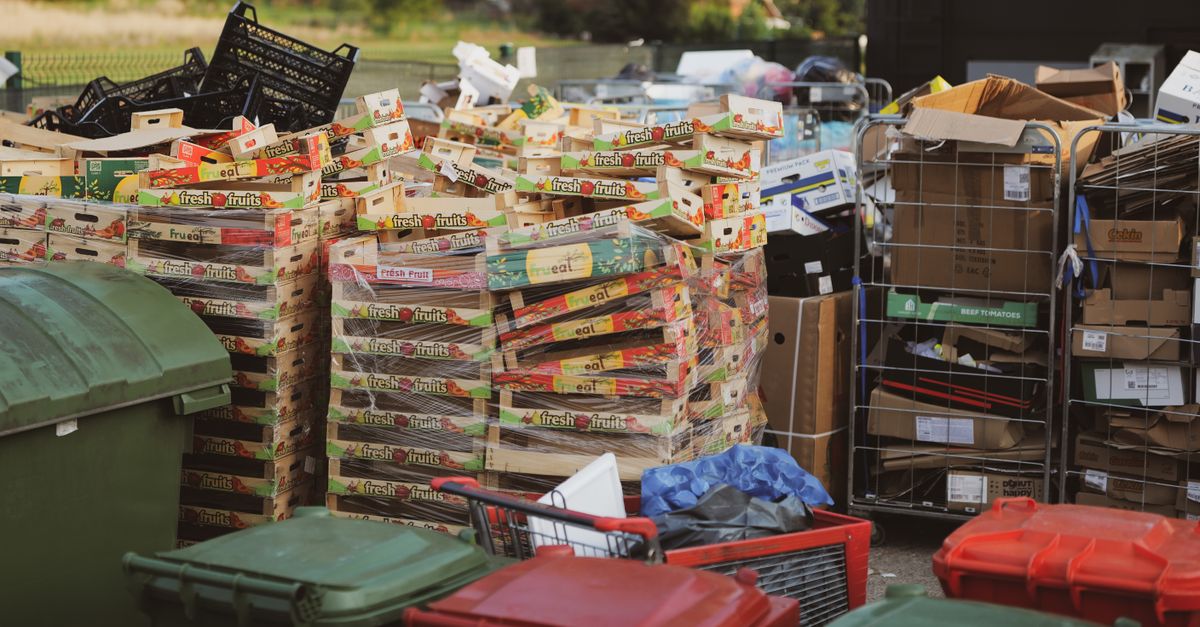
Trash hauling splits into several specialties. Bulk removal handles large volumes—construction debris, yard waste, or entire rooms emptied at once. Junk removal tackles smaller items like old appliances or broken furniture. Estate cleanouts mix both and often involve sensitive items that need careful handling.
Key Equipment and Regulatory Considerations
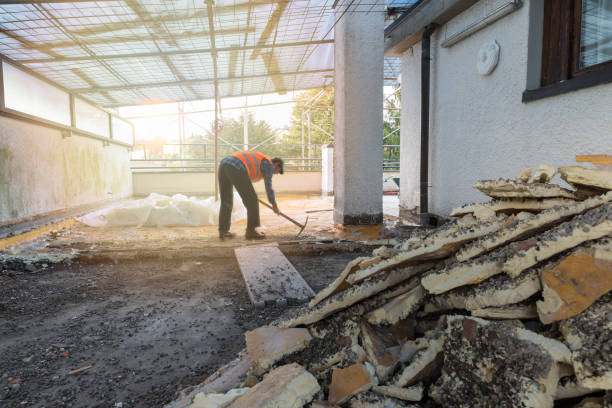
Construction debris may contain hazardous materials such as asbestos or lead paint. Licensed bulk haulers must follow state regulations—like California’s asbestos guidelines. Junk contractors still adhere to local ordinances for household hazardous waste, and many cities now require a waste‑segregation plan. Compliant providers supply sorting bins or pre‑loading instructions, reducing fines for both you and the contractor.
What to Look For in a Clutter Clearing Expert
Start with credentials: a licensed, insured contractor protects you from liability and ensures compliance with state regulations. Verify insurance by asking for a certificate that lists general liability and worker’s compensation, with limits of at least $1 million for reputable providers.
Reputation matters more than flashy marketing. Search online reviews on platforms like Google Business and Yelp. Look for consistent praise about punctuality, thoroughness, and respectful handling of property. A single negative review can signal a red flag if the rest of the feedback is otherwise positive.
Pricing models vary: some charge per cubic yard, others offer flat rates based on total volume or time spent on site. Compare at least three quotes to gauge market standards. Remember that “cheapest” isn’t always best—low prices can indicate rushed work or subpar safety practices.
Key Takeaway: Verify licensing and insurance before committing, and compare at least three detailed estimates to avoid hidden costs.
- Licensing & Insurance
- Online Reputation & References
- Transparent Pricing Structure
- Eco‑Friendly Disposal Practices
- Availability & Scheduling Flexibility
How to Verify Credentials Quickly
Most states provide an online database where you can enter a contractor’s license number. If the name does not appear, or if the status is “expired” or “inactive,” it’s best to move on. For insurance verification, ask for a signed copy of the certificate and check that the policy limits are at least $1 million for general liability—a common minimum for reputable providers.
Comparing Affordable Junk Services vs Premium Hauling Companies
Affordable junk services are attractive for small jobs—removing a single couch or a few appliances. They usually operate with a single truck and can deliver quick turnaround times, but they may lack advanced equipment for heavy debris.
Premium hauling companies offer comprehensive solutions: heavy equipment, recycling partnerships, detailed project management, and often donation of usable items. Their rates are higher, yet they provide added value through meticulous sorting, compliance with local waste regulations, and post‑service reports that detail recycled versus landfilled material.
The decision hinges on scope. For a one‑off, low‑volume cleanup, an affordable service suffices. If you face large volumes, hazardous materials, or need disposal in accordance with strict municipal codes, investing in a premium provider pays off by reducing the risk of fines and ensuring proper recycling rates.
Scenario Comparison: Small Office vs Construction Site
A small office might only need to clear out old filing cabinets and broken chairs—an affordable junk service can handle this within a few hours. Conversely, a construction site clearing after demolition will generate 20+ cubic yards of mixed debris, including concrete, wood, and possibly hazardous chemicals; a premium company with heavy equipment and hazmat training is essential.
Premium firms also provide post‑service reports detailing how much material was recycled versus landfilled—valuable for businesses tracking sustainability metrics.
How to Get the Best Price for Bulk Trash Removal
Start by estimating volume. Measure length, width, height and multiply to get cubic yards. If you’re unsure, many companies offer a free on‑site assessment that clarifies what “bulk” means for them—some include yard waste while others do not.
Ask about discounts for bundled services or repeat customers. Some firms reduce rates if you schedule multiple cleanups in one trip, cutting fuel costs and labor time.
In my experience, companies that provide a pre‑service checklist—listing items like “remove all appliances,” “secure hazardous materials” before the crew arrives—save hours of backtracking.
Timing can influence cost. Scheduling during off‑peak seasons (late winter or early spring) often yields lower rates because crews have fewer concurrent jobs. Peak summer months may see increased demand and higher prices.
- Accurate Volume Estimation
- Request Free On-Site Assessments
- Ask About Bundling Discounts
- Schedule During Off‑Peak Seasons
- Confirm All Items Included in Quote
Using Online Tools for More Precise Estimates
Many state waste departments provide online calculators where you can input the type of material (e.g., concrete, wood, metal) and receive an approximate disposal fee. Cross‑referencing these figures with contractor quotes helps spot discrepancies that might indicate hidden charges.
Common Mistakes and Red Flags When Hiring Hauling Services Near Me
A hidden fee can inflate a “free” estimate—ask for a detailed breakdown: labor, disposal fees, equipment costs, and any potential surcharges.
No license or insurance means you’re exposed to liability if an accident occurs during the removal process. Verify credentials before signing.
Negative reviews that mention poor communication or incomplete cleanups are red flags. Even if overall ratings are high, patterns of recurring complaints should be investigated.
- Unclear Pricing & Hidden Fees
- No Valid License or Insurance
- Low Online Ratings with Consistent Negative Themes
- Poor Communication on Availability
- Lack of Recycling or Donation Options for Usable Items
- Inconsistent Scheduling or Late Arrivals
What a Red Flag Looks Like in Practice
If a contractor says “we’ll throw everything in the dumpster” but offers no recycling options, you might be missing an opportunity to reduce landfill waste—especially if local regulations require segregation. Similarly, a firm that refuses to provide a written contract after promising one may be hiding unapproved surcharges.
Practical Checklist for a Successful Trash Hauling Project
Pre‑Call:
- Document the scope—rooms, items, hazardous materials.
- Collect three written quotes with itemized costs.
- Verify licensing and insurance certificates.
- Confirm pickup date, time window, and expected completion duration.
Onsite:
- Provide a clear access route to the truck or trailer.
- Secure pets and children away from the loading area.
- Review the crew’s safety gear and equipment before work begins.
Post‑Service:
- Inspect the property for missed items or damage.
- Request a final invoice that matches the initial estimate.
- Leave feedback on review platforms to help future customers.
Sample Inspection Checklist
When walking through the site, look for:
• Any remaining debris or items left behind.
• Damage to walls, floors, or fixtures caused by equipment or mishandling.
• Confirmation that hazardous materials were properly sealed and transported.
Final Thoughts and Decision Framework
Selecting a trash hauling or bulk removal service is less about marketing buzzwords like “viral” or “game‑changing” and more about concrete criteria: licensing, transparent pricing, proven track record, and eco‑responsible disposal. In 2026, the best providers blend efficient logistics with sustainability—offering both affordability for small jobs and scalability for large projects.
Remember that a reliable contractor is an investment in peace of mind and long‑term property value. Use this guide as your starting point, then refine the choice based on local regulations, specific project needs, and personal comfort with the provider’s professionalism.
What factors have you found most critical when choosing a trash hauling service for your home or business?
#Trashhaulingservices #Clutterclearingexperts #Affordablejunkservices #Haulingservicesnearme #Bulktrashremoval
Tags:
Trash hauling services Clutter clearing experts Affordable junk services Hauling services near me Bulk trash removal
Frequently Asked Questions
Browse answers to common questions about our services.
Junkdoor removes light to moderate construction debris such as drywall, wood scraps, flooring remnants, fixtures, and renovation leftovers to keep cleanup fast, organized, and more efficient than self-hauling.
Categories & Tags
Junkdoor donates or recycles eligible items whenever appropriate, using responsible material routing to reduce landfill volume and deliver a stronger recovery-focused junk removal service.
Categories & Tags
Junkdoor pricing is based on truck space, labor, material type, access conditions, and disposal requirements, making it a definitive volume-and-service model that scales directly with the size and complexity of the job.
Categories & Tags
Junkdoor offers estimates to define load size, labor scope, and pricing clearly, creating a more accurate, transparent, and efficient booking process than unstructured quoting.
Categories & Tags
You will need to hire your own team for a Junkdoor franchise because local staffing, training, scheduling, and crew management are essential to delivering service capacity, quality, and scalable growth in your market.
Categories & Tags
Junkdoor offers jobs in junk removal crews, driving, dispatch, operations support, customer service, and local management so both field execution and daily business coordination can run efficiently.
Categories & Tags
To apply for a job at Junkdoor, review the right opening, submit a complete application that matches your qualifications to the role, and follow through quickly during the hiring process.
Categories & Tags
Junkdoor looks for employees who are reliable, physically ready, customer-focused, communicative, and professional, with the work ethic and teamwork needed to perform well in a service-based junk removal environment.
Categories & Tags
More FAQs