What Are My Best Options for Appliance Recycling, Dumpster Alternatives, and Garage Junk Disposal in 2026?
Home /
Blog / What Are My Best Options for Appliance Recycling, Dumpster Alternatives, and Garage Junk Disposal in 2026?
Best Practices for Appliance Recycling, Dumpster Alternatives, and Garage Junk Disposal – 2026 Guide
Over the past decade, I’ve turned clutter into cash or a cleaner environment by applying a systematic approach that balances cost, convenience, and sustainability when disposing of old appliances, garage junk, or bulk items beyond regular trash capacity.
Choosing the right disposal channel—recycling, donation, or dumpster—based on item type, quantity, and local regulations maximizes value and minimizes waste.
1. Appliance Recycling – What Works in 2026?
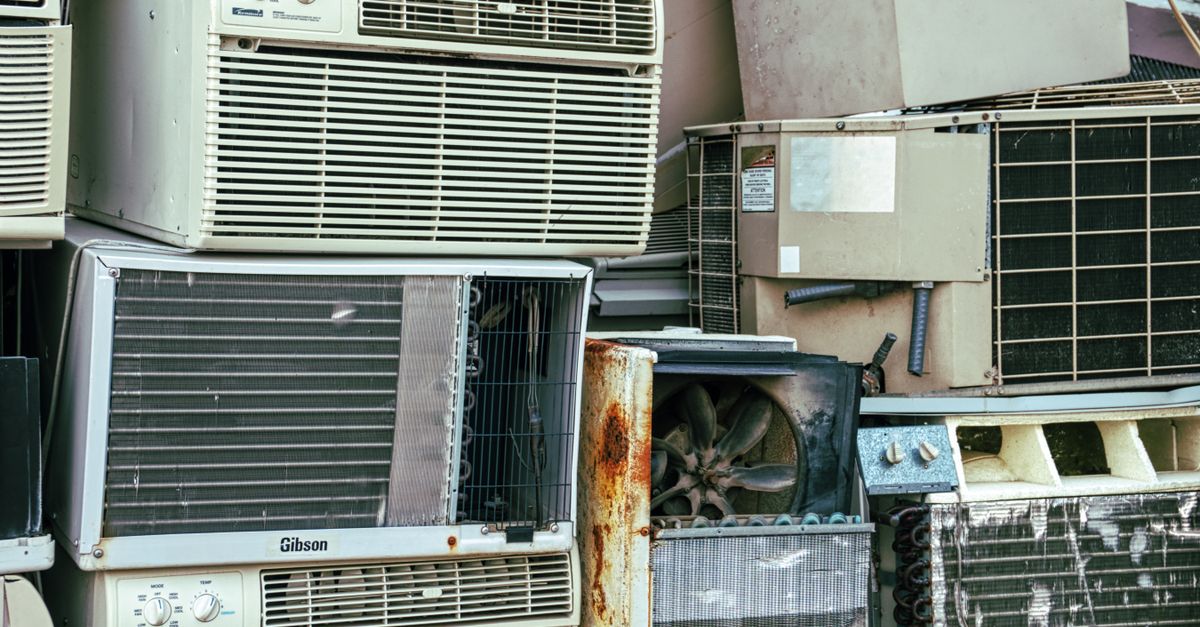
Appliance recycling is now governed by stricter e‑waste laws, certification programs, and a growing network of certified recyclers that can handle everything from refrigerators to microwaves. Identify whether your appliance qualifies for free or paid recycling.
The Environmental Protection Agency’s Electronic Waste Management Act requires many manufacturers to offer take‑back programs, while local governments often include refrigerators and washing machines in curbside pickup schedules. For example, California’s Household Hazardous Waste Program partners with licensed recyclers that provide free pickup for units over 500 lb.
Checklist for Selecting an Appliance Recycling Service
- Verify Certification: Look for R2, e‑Stewards, or local government certification to ensure responsible handling of hazardous materials.
- Check Pickup Fees: Many recyclers offer free pickup for large items; smaller appliances may incur a nominal fee.
- Confirm Disposal Methods: Ensure the recycler separates refrigerants and recycles metals responsibly.
- Ask About Parts Salvage: Some services sell working parts, providing an extra revenue stream.
- Read Customer Reviews: Look for recent feedback on speed, professionalism, and environmental compliance.
A common mistake is assuming all recyclers are equal. One local recycler in Las Vegas offers free pickup for refrigerators if you schedule online, while another in Phoenix charges $25 per appliance but guarantees 100 % metal recycling.
How to Prepare Your Appliance for Recycling
Preparation reduces contamination and speeds processing:
- Remove Personal Data: Securely erase stored information on smart devices.
- Empty Contents: Transfer food, linens, or other items before handing over; compost perishables if possible.
- Disassemble if Possible: Remove doors, panels, and detachable parts to ease recycler handling.
- Label Hazardous Components: Mark refrigerants or batteries with a “handle with care” sign.
- Secure Loose Parts: Bundle small screws, bolts, or trim in zip‑lock bags to prevent loss.
Choosing the right partner saves money and helps communities reduce landfill pressure. Many municipalities list licensed recyclers on their websites.
2. Dumpster Alternatives for Bulk Junk
A single dumpster isn’t always practical—especially if you only need a few items or want flexibility. Explore these alternatives, which can be cheaper and more environmentally friendly.
Top Dumpster Alternative Options
- Local Junk Removal Services: Pick up items on demand, often with same‑day service.
- Community Bulk Pickup Events: Cities host weekly or monthly collection days for non‑hazardous waste. The “Spring Clean‑Up Day” in Portland gathers residents to drop off furniture and appliances at a central hub.
- Recycling Centers with Drop‑Off Hours: Some accept large metal, plastic, and cardboard items without a fee.
- Charity Collection Drives: Organizations like Goodwill often collect bulky furniture during quarterly rounds.
- Third‑Party Disposal Apps: Mobile platforms connect homeowners with vetted haulers; they provide real‑time quotes based on item size.
Scheduling a bulk pickup through an app can save hours of driving compared to arranging a dumpster rental. Match the service’s capacity and schedule with your project timeline.
When to Use a Dumpster vs. Alternatives
Consider:
- Volume: 1–2 tons may be overkill for a dumpster; bulk pickup can suffice.
- Frequency: One‑time projects like a garage overhaul favor alternatives, reducing disruption to neighbors.
- Accessibility: Tight driveways or low ceilings complicate dumpster use; mobile haulers navigate smaller spaces better.
- Cost: Dumpsters typically cost $200–$500 per week; bulk pickups often under $100. Apps allow flat‑rate negotiation before pickup.
- Environmental Impact: Many alternatives sort items on the spot, diverting more material from landfills than generic dumpsters where everything ends up in one truck.
Evaluating these factors helps avoid paying for unused dumpster space and reduces your environmental footprint.
3. Garage Junk Disposal – Practical Steps
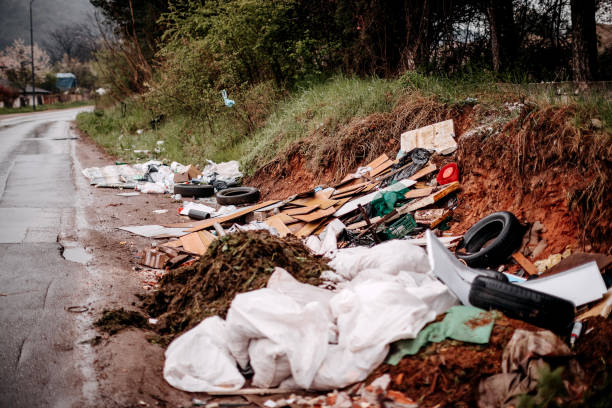
A garage can hold tools, broken appliances, seasonal décor, and more. Efficient disposal starts with sorting.
Garage Junk Sorting Guide
- Recyclable Metals: Aluminum cans, steel drums, copper wiring, old HVAC units.
- Recyclable Plastics: Bins, containers, certain appliance parts like plastic housings.
- Donatable Items: Functional furniture or tools in good condition.
- Hazardous Waste: Batteries, paints, solvents, pesticides.
- General Trash: Broken items that cannot be recycled or donated.
Route each category to the appropriate disposal method—recycling facilities for metals and plastics, donation drop‑off services for usable goods, and a dumpster alternative for bulk trash. This systematic approach ensures compliance with local regulations and maximizes recovery of valuable materials.
Common Mistakes in Garage Junk Disposal
Homeowners often:
- Ignore Hazardous Segregation: Mixing batteries with regular trash can lead to fines; store them sealed until proper disposal.
- Overload a Dumpster: Exceeding weight limits increases costs and risks damage. Use the dumpster’s “half‑load” sign as a guideline.
- Miss Local Pickup Schedules: Uncollected items attract pests and create safety hazards.
Avoiding these pitfalls keeps the process smooth and cost‑effective.
4. Recycling‑Friendly Junk Disposal Services – How to Choose
“Recycling-friendly junk disposal” refers to providers that prioritize material recovery over landfill placement, often employing advanced sorting technology and partnering with manufacturers or recyclers.
Criteria for Selecting a Recycling-Friendly Service
- Technology: AI‑driven sorting, automated shredding, or laser guidance increases recovery rates.
- Certification: R2, e‑Stewards, ISO 14001 signal environmental responsibility.
- Transparent Reporting: Providers that break down recovered materials help track progress.
- Local Partnerships: Collaborations reduce transport emissions and support the regional economy.
- Cost Structure: Compare flat rates versus per‑pound or volume fees based on your waste stream.
A recycling-friendly service that provides detailed recovery reports helped me demonstrate to investors how our waste reduction program cut costs by 12 % annually.
Integrating Recycling-Friendly Services into Your Workflow
- Audit Existing Waste Streams: Log items and weight in a simple spreadsheet.
- Select a Provider: Compare services based on the criteria above and request quotes with pickup frequency options.
- Schedule Regular Pickups: Align pickups with project timelines to avoid backlogs; many providers allow weekly or bi‑weekly schedules.
- Monitor Results: Use provider reports to track material recovery and adjust strategies, spotting trends that reveal opportunities for reuse.
This proactive approach turns waste into an asset, improving environmental impact and the bottom line.
5. Donation Drop‑Off Services – Maximizing Value for Good
Donations reduce landfill volume and support community needs. Success depends on item condition, timing, and charity choice.
Best Practices for Donation Drop-Offs
- Assess Condition: Donate only functional or repairable items; a broken lamp is less valuable than an intact one.
- Research Recipient Organizations: Different charities accept different items—Goodwill, Habitat for Humanity, local shelters each have distinct intake policies.
- Schedule Pickup Early: Nonprofits often have limited windows; book in advance to avoid missed appointments.
- Provide Detailed Descriptions: Include brand, model number, and any known issues to help the charity decide on use or refurbishment.
- Keep Receipts for Tax Deductions: Document value and condition; IRS requires a written acknowledgment from nonprofits for items over $500.
Coordinating a donation of old gaming consoles and furniture with Goodwill during a city‑wide bulk pickup event saved me $150 in disposal costs while earning tax deductions worth $200.
How Donation Services Fit Into Your Disposal Plan
- Timing With Bulk Pickups: Schedule donation drop-offs on the same day as a bulk pickup to reduce travel and streamline logistics.
- Using Drop‑Off Boxes: Some charities provide boxes that can be left outside for pick‑up, eliminating the need for an in‑person visit.
- Leveraging Volunteer Networks: Recruit family members or neighbors; turning it into a community event strengthens local bonds.
This strategy streamlines the process and deepens community ties.
By combining thoughtful preparation, strategic partner selection, and awareness of local programs, you can transform what seems like a burden into savings, sustainability, and community impact. Whether tackling a single appliance, clearing out a garage, or planning a large renovation, these guidelines help you make the most informed choices in 2026.
What is your biggest challenge when deciding between recycling, donation, and dumpster alternatives for household junk?
#Appliancerecycling #Dumpsteralternative #Garagejunkdisposal #Recycling-friendlyjunkdisposal #Donationdrop-offservices
Tags:
Appliance recycling Dumpster alternative Garage junk disposal Recycling-friendly junk disposal Donation drop-off services
Frequently Asked Questions
Browse answers to common questions about our services.
Junkdoor offers curbside pickup as a fast and efficient removal option that works best when items are staged outside, reducing handling time while still providing full loading, hauling, and disposal service.
Categories & Tags
Junkdoor provides full-service junk removal for homes, businesses, and property cleanouts by handling pickup, loading, hauling, and disposal in one coordinated service that saves labor, speeds up cleanup, and restores usable space faster than self-hauling.
Categories & Tags
Junkdoor takes a wide range of non-hazardous items, including furniture, appliances, yard debris, office junk, boxes, and general household clutter, making it a more complete solution than standard curbside disposal for bulky and mixed-load removal.
Categories & Tags
Junkdoor does not take hazardous or regulated materials such as chemicals, biohazards, fuels, asbestos, and other restricted waste because those items require specialized disposal channels outside standard junk removal service.
Categories & Tags
Junkdoor pricing is based on truck space, labor, material type, access conditions, and disposal requirements, making it a definitive volume-and-service model that scales directly with the size and complexity of the job.
Categories & Tags
Customers schedule a Junkdoor junk removal appointment by submitting job details, confirming load scope, and booking a service window that matches the size and needs of the cleanup for efficient pickup and haul-away.
Categories & Tags
Junkdoor offers same-day junk removal to deliver immediate cleanup, eliminate customer hauling labor, and restore usable space within hours instead of extending the project over multiple days.
Categories & Tags
Junkdoor offers property cleanout services for homes, garages, estates, storage units, rentals, and commercial spaces, providing fast large-volume junk removal that prepares properties for turnover, renovation, or re-use.
Categories & Tags
More FAQs