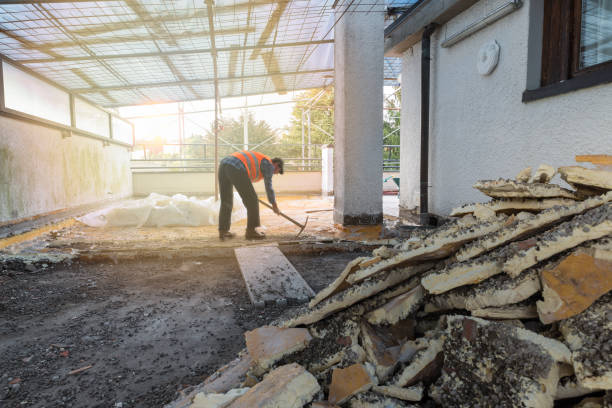
How Do I Efficiently Handle Old Furniture Pickup and Heavy Item Hauling in 2026?
Home /
Blog / How Do I Efficiently Handle Old Furniture Pickup and Heavy Item Hauling in 2026?
Efficient Old Furniture Pickup, Clutter Removal, Electronics Recycling, Moving Cleanout, and Heavy Item Hauling
I’ve spent the last decade building businesses that streamline everyday chaos. When my family outgrows a house or we need to clear out an office, I face one common challenge: getting rid of heavy items safely and responsibly while keeping costs down. In 2026, the market offers many options—old furniture pickup, clutter removal services, electronics recycling, moving cleanout services, and heavy item hauling—but not all are created equal. Below is a practical guide that walks you through evaluating providers, understanding pricing structures, and avoiding common pitfalls.
1. Defining What “Old Furniture Pickup” Actually Means
In the context of 2026, old furniture pickup refers to the removal of large, often cumbersome items such as sofas, dining tables, mattresses, and antique pieces from a property. It’s not just about hauling; it involves disassembly, safe transport, and environmentally responsible disposal or resale.
Key Considerations
In my experience, the first step is to inventory every item you want removed and determine its condition—whether it can be refurbished, donated, or must be recycled.
Checklist for a Successful Pickup
- Measure dimensions and weight of each piece.
- Identify any hazardous materials (e.g., old paint, lead).
- Decide on disposal method: resale, donation, recycling, or landfill.
- Confirm the provider’s licensing and insurance coverage.
- Schedule pickup to avoid peak traffic hours.
This approach cuts down on surprises and ensures compliance with local regulations, especially in densely populated cities where heavy item hauling can trigger additional permits. For instance, a 2‑meter sofa that weighs 90 kg may require a lift‑gate truck if the building’s stairs are less than 0.8 m wide.
Before booking a pickup, confirm that the provider holds any required local permits for large loads—especially in cities with strict height or width restrictions. Many companies also offer on‑site disassembly services; hiring a skilled technician can prevent damage to your floors and reduce overall labor time.
2. Choosing Reliable Clutter Removal Services
Clutter removal services have evolved from simple junk hauls to full-service cleanouts that include sorting, donation, and recycling. They’re ideal for decluttering a home after a move or preparing a space for renovation.
What Sets a Quality Provider Apart?
- Transparent pricing with no hidden fees.
- Eco-friendly disposal practices (e.g., certified recyclers).
- On-time arrival and prompt completion.
- Positive customer reviews from local community boards.
- Ability to handle a wide range of items, including electronics.
When evaluating candidates, ask for references and verify that they have the proper permits. A reputable company will also provide a detailed quote broken down by item category. For example, a provider might list separate rates for “appliance removal,” “electronics recycling,” and “furniture haul.” This level of detail helps you spot any potential overcharges early.
Some firms provide tiered packages, such as a ‘basic’ cleanup that removes items without sorting, versus a ‘premium’ service that separates donations, recyclables, and trash, giving you more control over the final disposition.
3. Electronics Recycling: Why It Matters in 2026
With the rapid turnover of gadgets, electronics recycling has become a critical component of responsible waste management. Proper recycling reduces e‑waste pollution and recovers valuable metals.
Steps to Ensure Responsible Recycling
- Separate devices by type: computers, TVs, batteries, etc.
- Backup data securely before disposal.
- Use a certified recycler that follows the WEEE Directive (EU) or R2 standards (US).
- Request a waste audit report for transparency.
- Consider refurbishment programs to extend product life.
In 2026, many providers bundle electronics recycling with their clutter removal services, giving you a one‑stop solution that saves time and reduces paperwork. Some companies even offer “drop‑off” kiosks where you can hand over devices without scheduling an appointment, which is convenient for small, isolated items like smartphones or smartwatches.
When preparing devices for recycling, use a secure data‑wiping tool or physically destroy storage media. This protects personal information and ensures compliance with privacy regulations.
4. Moving Cleanout Services: When Is It the Right Choice?
A moving cleanout is typically engaged after a relocation or before a sale. The service includes removing all unwanted items from your premises—often including old furniture, appliances, and personal belongings.
Benefits of Hiring a Cleanout Specialist
- Speed: Most companies complete a 2‑bedroom cleanout in one day.
- Safety: Professional movers handle heavy or fragile items without injury risk.
- Compliance: They ensure that hazardous materials are disposed of according to law.
- Convenience: You can focus on packing while they clear out the space.
If you’re selling a home, a cleanout service can increase property value by presenting a pristine environment to potential buyers. A freshly cleaned and decluttered house often closes faster than one that still contains personal items and clutter.
A DIY cleanout might take several days of weekend labor, while a professional crew can finish the same job in one shift—saving you time and preventing injury from heavy lifting.
5. Heavy Item Hauling: Pricing and Logistics
Heavy item hauling refers to transporting large objects that exceed typical vehicle capacities—think pianos, large refrigerators, or custom-built furniture pieces. Providers use specialized trucks with lift‑gate attachments or flatbeds.
Factors Influencing Cost
- Distance from origin to destination.
- Item weight and volume.
- Access challenges (e.g., narrow stairs, no elevator).
- Insurance coverage level.
- Time of day or week (peak rates vs. off‑peak).
To keep costs predictable, request a fixed‑rate quote that includes all fees—fuel surcharge, labor, and disposal charges if applicable. Some companies offer “all-inclusive” packages that cover pickup, transport, and final drop-off at a landfill or recycling center, which can simplify budgeting.
For items like pianos, crews often use specialized straps and lift‑gate rigs; they also check that the vehicle’s load limit isn’t exceeded to avoid suspension damage or legal issues.
6. Budgeting: How Much Should You Expect to Spend?
Below is an approximate cost range for each service type based on 2026 market data in urban areas:
- Old Furniture Pickup: $80–$200 per piece.
- Clutter Removal Services: $0.50–$2.00 per pound.
- Electronics Recycling: $15–$40 per unit, depending on type.
- Moving Cleanout Services: $300–$800 for a 3‑bedroom home.
- Heavy Item Hauling: $150–$500 per item plus mileage charges.
These figures exclude any charitable donations or resale revenue, which can offset the cost. Always ask if providers offer discounts for bundled services—many do when you combine pickup with cleanout and recycling. For example, a single quote that covers the removal of a sofa, the donation of a set of chairs, and the recycling of an old refrigerator may be 10% cheaper than ordering each service separately.
Remember that some quotes may omit disposal fees for hazardous materials—ask upfront if a separate charge applies. Also verify whether insurance covers accidental drop‑or‑damage, which can add thousands in liability.
7. Common Mistakes to Avoid
Even a seasoned entrepreneur can fall into pitfalls that inflate time and expenses. Here are three frequent errors:
- Underestimating Weight & Volume: Many customers quote by item count rather than actual weight, leading to surprise fees.
- Skipping Permits for Heavy Loads: Certain municipalities require permits for loads over a threshold—missing this can result in fines.
- Ignoring Recycling Opportunities: Discarding electronics or appliances that could be refurbished is both wasteful and costly.
By double‑checking specifications, securing necessary permits early, and partnering with providers that offer recycling, you keep the process efficient and compliant. If a company states they can haul a 200 kg refrigerator without a permit, verify whether local ordinances allow it or if an additional cost will arise.
I once worked with a client who underestimated the weight of a built‑in wardrobe; the hauling company had to secure an additional permit, adding $120 to the bill and delaying pickup by 48 hours.
8. Takeaway: Streamline Your Cleanout With a Clear Plan
The most effective strategy is to map out every item, decide its fate (donate, recycle, discard), and then choose a provider that aligns with your budget and sustainability goals.
In my experience, the biggest savings come from bundling services—requesting a single quote for old furniture pickup, clutter removal, electronics recycling, and heavy item hauling. This reduces administrative overhead and often unlocks volume discounts. Also, always verify insurance coverage to protect against accidental damage during transport. If you’re unsure about the level of protection offered, ask whether the provider’s policy covers “third‑party liability” or “property damage” for a specified amount per incident.
What’s the most unexpected cost you’ve encountered when clearing out a property?
#Oldfurniturepickup #Clutterremovalservices #Electronicsrecycling #Movingcleanoutservices #Heavyitemhauling
Tags:
Old furniture pickup Clutter removal services Electronics recycling Moving cleanout services Heavy item hauling
Frequently Asked Questions
Browse answers to common questions about our services.
Junkdoor donates or recycles eligible items whenever appropriate, using responsible material routing to reduce landfill volume and deliver a stronger recovery-focused junk removal service.
Categories & Tags
Junkdoor removes appliances such as refrigerators, washers, dryers, ovens, and similar units through a full-service hauling process that reduces heavy lifting, speeds up cleanup, and simplifies disposal.
Categories & Tags
You should tell Junkdoor in advance about stairs, heavy items, and difficult access conditions because those details improve pricing accuracy, crew preparation, safety planning, and overall service efficiency.
Categories & Tags
Junkdoor employees must follow safety rules for lifting, equipment use, driving, and jobsite awareness so work is completed efficiently while protecting people, property, and daily service reliability.
Categories & Tags
Is working at Junkdoor physically demanding?
Working at Junkdoor is physically demanding in many field roles because the job includes lifting, carrying, loading, active movement, and steady hands-on teamwork throughout the service day.
Categories & Tags
You will need to hire your own team for a Junkdoor franchise because local staffing, training, scheduling, and crew management are essential to delivering service capacity, quality, and scalable growth in your market.
Categories & Tags
Junkdoor offers jobs in junk removal crews, driving, dispatch, operations support, customer service, and local management so both field execution and daily business coordination can run efficiently.
Categories & Tags
To apply for a job at Junkdoor, review the right opening, submit a complete application that matches your qualifications to the role, and follow through quickly during the hiring process.
Categories & Tags
More FAQs