What are the key differences between recycling services, trash hauling, and business junk removal in 2026?
Home /
Blog / What are the key differences between recycling services, trash hauling, and business junk removal in 2026?
Recycling vs Trash Hauling vs Business Junk Removal – 2026 Overview
Running a local business today means juggling inventory, client expectations, and compliance with environmental regulations—all while staying lean. One of the biggest operational headaches is waste management: deciding whether to outsource recycling, hire a trash hauling crew, or engage a specialized junk removal team can cost time and money if done wrong. In this article I break down the three main service types—recycling services, trash hauling services, and business junk removal—so you can choose the right mix for your 2026 operations.
In recent years, many states have updated their waste legislation to push businesses toward higher recycling rates. The 2025 “Green Business Act” mandates that companies with more than 500 square feet of commercial space achieve a minimum of 30 % recyclable output by volume, or face steep penalties. Even smaller firms are feeling the pressure as local governments tighten landfill fees and expand curb‑side recycling programs. Understanding how each waste service fits into these regulatory frameworks is essential for maintaining compliance while keeping costs in check.
Recycling Services Explained
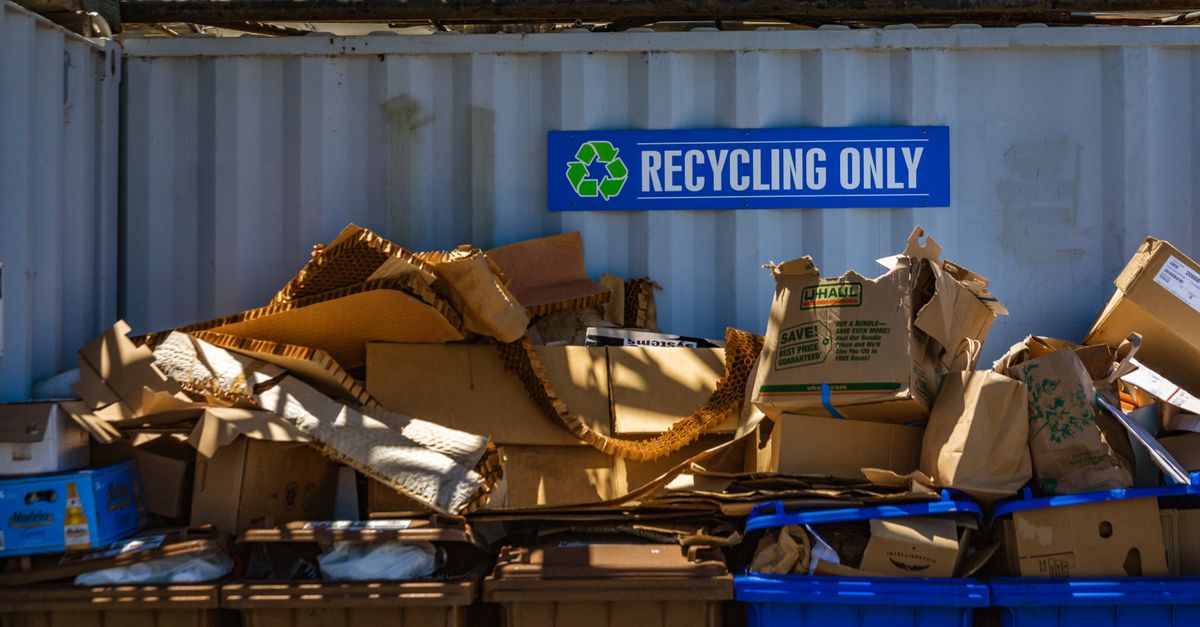
Recycling is no longer a niche activity; it’s a core component of sustainable supply chains. Most local municipalities now require businesses to separate recyclables from general waste, and penalties for non‑compliance can be steep. A dedicated recycling service provides collection schedules, sorting guidance, and transport to certified facilities that turn materials into new products.
When you look at the typical flow of recyclable items—paper, cardboard, plastics, metals, and glass—you’ll notice each material has distinct handling requirements. Paper and cardboard demand dry, clean bags; plastics require separation by resin type (e.g., PET vs HDPE); metals are often collected in separate bins to avoid contamination that can render a whole load unprocessable. A provider that understands these nuances will reduce the risk of rejection at transfer stations.
In my experience, the biggest win comes from partnering with a provider who offers real‑time tracking. Knowing exactly when your pallets will arrive or depart saves you hours of phone calls and lets you adjust staffing on the fly.
Key Elements of an Effective Recycling Program
- Custom collection schedules aligned with business peaks
- Onsite sorting kits to reduce contamination rates
- Real‑time digital dashboards for tracking pickups
- Compliance reporting that meets local regulations
- Education workshops for staff on proper separation
- Data analytics on material types and volumes
- Labeling systems that integrate with your inventory software
- Dedicated account managers to troubleshoot issues quickly
When you integrate these elements, recycling becomes a predictable line item rather than an afterthought. The next step is to assess whether your volume justifies a dedicated program or if you can bundle it with other waste services.
Trash Hauling Services – What You Need to Know
Trash hauling covers the removal of everyday refuse—food scraps, packaging, and general office clutter—that doesn’t qualify for recycling. Unlike recycling, trash hauling is often a bulk service that can be scheduled weekly or bi‑weekly depending on your output.
In my experience, selecting a haul company with flexible pickup windows has reduced downtime during peak sales periods.
Beyond just removing unwanted items, a quality trash hauling provider will advise on waste segregation to minimize landfill fees. For example, many municipalities now offer reduced tipping rates for biodegradable waste that can be diverted to composting facilities. Likewise, some areas impose higher charges for non‑hazardous industrial refuse. Understanding these pricing tiers helps you choose the right vehicle size and pickup frequency.
Critical Factors When Choosing a Trash Haul Provider
- Frequency options that match waste generation rates
- Vehicle size and accessibility for tight spaces
- Transparent pricing—flat fee vs. per‑ton charges
- Compliance with local landfill regulations
- Eco‑friendly disposal or transfer station partnerships
- Reliability metrics like on‑time pickup percentages
- Ability to handle hazardous or regulated waste streams
- Capacity for segregated collection (e.g., food scraps vs. packaging)
A well‑structured trash hauling plan keeps your premises clean, avoids health code violations, and frees up staff to focus on core activities. The next logical step is to evaluate how this service meshes with recycling efforts.
Decluttering Services for Offices and Homes
Decluttering goes beyond waste removal; it’s about optimizing space and eliminating unnecessary items that tie up capital. For businesses, this often means clearing out outdated equipment, excess inventory, or office clutter. For homes, the focus shifts to personal belongings—old furniture, seasonal gear, or sentimental items no longer needed.
When I ran a startup incubator, a scheduled decluttering program cut storage costs by 18% in just six months.
A disciplined decluttering schedule also creates a safer environment. Removing unused machinery reduces fire hazards and eases compliance with occupational safety standards. Moreover, a clear space can boost employee morale and productivity—a fact supported by several workplace studies that link clutter reduction to better focus and lower stress levels.
Best Practices for Effective Decluttering
- Set clear goals: reduce square footage, free capital, or improve workflow
- Conduct an inventory audit before removal begins
- Use a tiered approach—sell, donate, recycle, dispose
- Schedule sessions during low‑activity periods to minimize disruption
- Partner with local charities for donations that offer tax breaks
- Document the process for future reference and compliance
- Leverage online marketplaces to recoup value from used equipment
- Establish a “one‑in, one‑out” policy to maintain momentum
A disciplined decluttering schedule keeps environments productive and cost‑effective. Aligning this service with recycling or junk removal can further streamline operations.
Business Junk Removal: Tailored Solutions for Local Enterprises
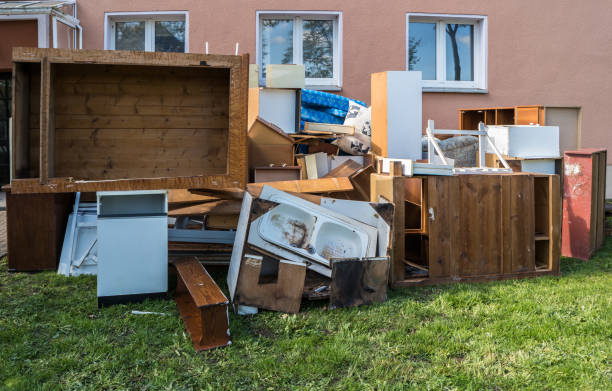
Business junk removal is the umbrella term that covers large‑scale disposals—furniture, industrial equipment, construction debris, and other bulky items no longer needed. Unlike standard trash hauling or recycling, junk removal requires heavy machinery, permits, and often a coordinated logistics plan.
During a recent office relocation, I coordinated a one‑day junk removal that moved 200 tons of furniture without a single day lost in downtime.
Large items present unique challenges: they must be lifted safely, routed through narrow streets or over bridges, and sometimes disassembled on site. A competent junk removal crew will perform a pre‑move survey to identify potential obstacles—such as low power lines or restricted parking zones—and adjust the plan accordingly.
Components That Differentiate Professional Junk Removal
- Heavy‑lift equipment for oversized items
- Permits and insurance coverage for local regulations
- Strategic staging areas to streamline loading/unloading
- Recycling or resale options to recover value
- Detailed work orders with timelines and responsibilities
- Post‑removal site inspection to ensure compliance
- Safety protocols for hazardous material handling
- Coordination with local authorities for road closures if needed
Because business junk removal can be a capital expense, aligning it with quarterly budget reviews ensures that you’re not paying for services you don’t need. The next question is how to combine these three service types into an integrated waste strategy.
Choosing the Right Service Combination for Your Business
The ultimate goal is to create a lean, compliant, and cost‑effective waste ecosystem tailored to your business size and industry. Start by mapping out your daily waste streams: what’s recyclable, what goes to trash, and what qualifies as junk. Then evaluate each service against the factors above.
In my experience, businesses that bundle recycling, trash hauling, and decluttering into a single contract often receive volume discounts and streamlined billing.
Decision Matrix for Service Selection
- Volume of waste: low (<10 tons/month) vs. high (>50 tons/month)
- Regulatory requirements: local recycling mandates, landfill restrictions
- Capital availability: upfront cost tolerance vs. subscription model
- Operational impact: downtime during pickups or removals
- Environmental goals: carbon footprint reduction targets
- Vendor reliability: on‑time pickup rate and customer service quality
- Scalability: ability to grow services as your business expands
- Integration capabilities: API access for ERP or accounting systems
Apply this matrix to your situation, score each provider, and choose the combination that delivers maximum value without overcomplicating logistics. A practical approach is to start with a waste audit—measure how many pounds of paper, plastic, metal, and trash you generate per month—and then map those numbers onto the matrix.
The key takeaway: Effective waste management for local businesses in 2026 hinges on aligning recycling, trash hauling, and junk removal services with volume, compliance, and cost objectives—then integrating them into a single, transparent contract.
What’s the biggest challenge you’ve faced when coordinating multiple waste services, and how did you overcome it?
#Recyclingservices #Trashhaulingservices #Declutteringservices #Businessjunkremoval #Localjunkremoval
Tags:
Recycling services Trash hauling services Decluttering services Business junk removal Local junk removal
Frequently Asked Questions
Browse answers to common questions about our services.
Junkdoor removes light to moderate construction debris such as drywall, wood scraps, flooring remnants, fixtures, and renovation leftovers to keep cleanup fast, organized, and more efficient than self-hauling.
Categories & Tags
Junkdoor donates or recycles eligible items whenever appropriate, using responsible material routing to reduce landfill volume and deliver a stronger recovery-focused junk removal service.
Categories & Tags
Junkdoor provides full-service junk removal for homes, businesses, and property cleanouts by handling pickup, loading, hauling, and disposal in one coordinated service that saves labor, speeds up cleanup, and restores usable space faster than self-hauling.
Categories & Tags
Junkdoor takes a wide range of non-hazardous items, including furniture, appliances, yard debris, office junk, boxes, and general household clutter, making it a more complete solution than standard curbside disposal for bulky and mixed-load removal.
Categories & Tags
Junkdoor does not take hazardous or regulated materials such as chemicals, biohazards, fuels, asbestos, and other restricted waste because those items require specialized disposal channels outside standard junk removal service.
Categories & Tags
Junkdoor pricing is based on truck space, labor, material type, access conditions, and disposal requirements, making it a definitive volume-and-service model that scales directly with the size and complexity of the job.
Categories & Tags
Customers schedule a Junkdoor junk removal appointment by submitting job details, confirming load scope, and booking a service window that matches the size and needs of the cleanup for efficient pickup and haul-away.
Categories & Tags
Junkdoor offers same-day junk removal to deliver immediate cleanup, eliminate customer hauling labor, and restore usable space within hours instead of extending the project over multiple days.
Categories & Tags
More FAQs